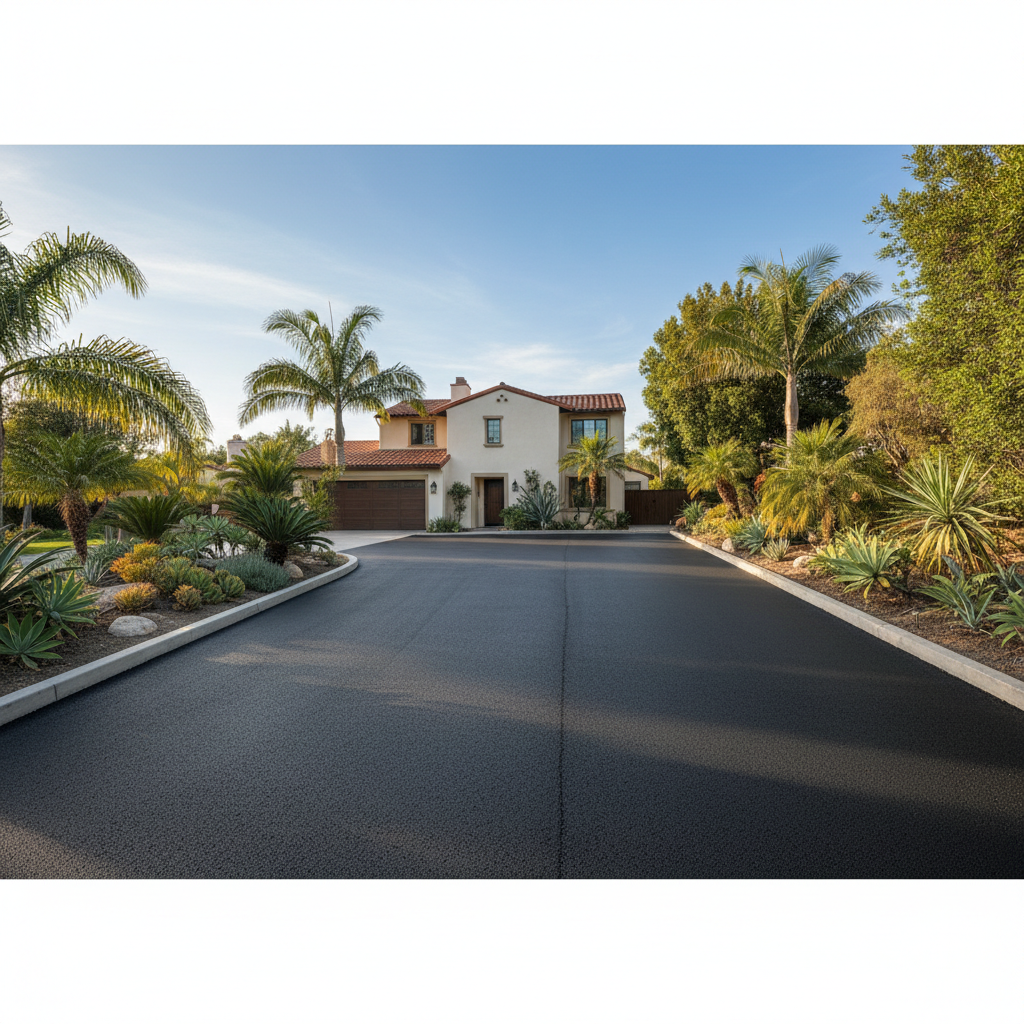
Driveways in the Hills and the Valley sometimes look wavy or cracked even when they are brand-new. It is disappointing to see. Homeowners spend good money on a paving project expecting the surface to hold strong for many years, but when shortcuts are taken, problems develop quickly. Mighty Asphalt Solutions has been in this trade long enough to see what happens when projects are started without a clear plan for local conditions.
Here in Los Angeles, we deal with blistering heat, expansive clay soils in places like the Westside or parts of the San Fernando Valley, and heavy winter downpours. If an asphalt contractor does not account for these factors from day one, damage will occur. Understanding the most common mistakes people make when planning a driveway paving project will help you avoid them completely.
Skipping the Sub-Base Evaluation
The biggest structural failure happens underground where you cannot see it. Some people think Asphalt Paving is just about pouring a layer of hot mix over whatever dirt happens to be sitting in the front yard. That method does not work. If the soil is not properly graded, watered, and compacted, the entire surface will start sinking and cracking the first time a heavy delivery truck parks on it or heavy rains hit.
Mighty Asphalt Solutions spends a significant amount of time getting the foundation right before a single ton of asphalt arrives. If a contractor quotes a very low price and promises to finish the whole job in a few hours, they are skipping the sub-base work, and your new driveway will pay the price within a year.
Falling for the Lowest Bid Trap
Everybody likes to save money, but cheap Asphalt Paving is usually the most expensive choice you can make. When an unknown operator rolls through the neighborhood offering an unbelievable deal using leftover material from another local job, you should decline the offer. Legitimate local contractors pull proper permits, operate heavy compaction equipment, and pay disposal fees for old material. A lowball quote means corners are being cut on material thickness, oil quality, or labor.
- Always demand a detailed, itemized written estimate that breaks down base depth and asphalt tonnage.
- Verify that the contractor carries active general liability insurance and a valid California license.
- Ask how long they have operated under their current business name in Southern California.
Ignoring Drainage and Slope
Water is very damaging to asphalt surfaces. If your driveway sits flat or slopes toward your garage, standing puddles will form that slowly erode the binder and eat away at the aggregate. A skilled crew will engineer the slope so runoff flows harmlessly toward the street or proper drainage channels.
Take your time, vet your asphalt contractor carefully, and make sure your project is built to handle the LA climate from the ground up.