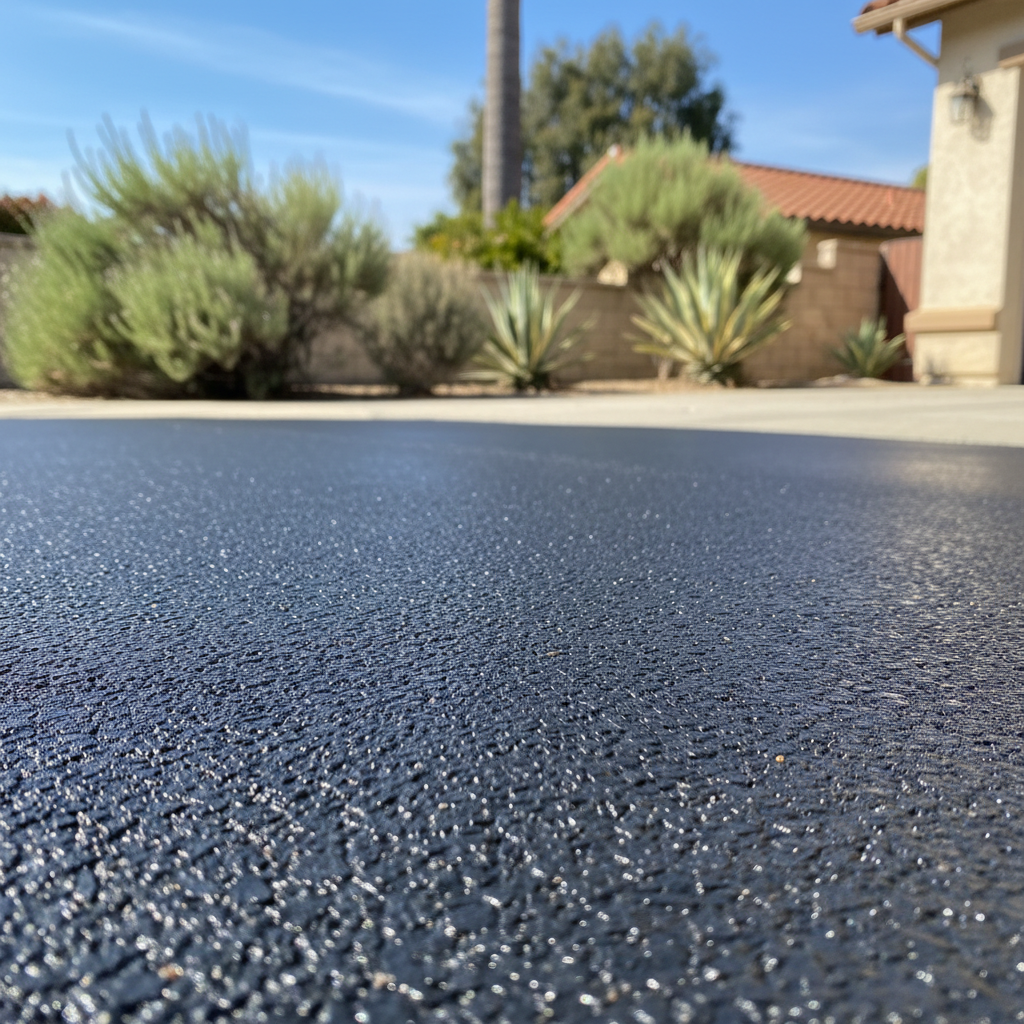
Your asphalt driveway or parking area really takes a beating, especially here in Los Angeles. I mean, we've got intense sun, those occasional heavy rains, and, of course, constant traffic. Over the past 25 years, I've heard pretty much every question under the sun about asphalt repair. So, I figured, why not put some of those answers down in one spot? This isn't marketing fluff; it's the exact stuff I tell my neighbors and clients every single day.
What's the difference between crack sealing and crack filling?
This is a big one, and people often use the terms interchangeably, but there's a real difference in how we approach them. Crack sealing is for active cracks, usually the ones that are still moving with temperature changes—things like thermal expansion and contraction. We use a hot-applied, flexible material that can stretch and contract right along with the pavement. It's designed to keep water out and stop the crack from getting worse. Think of it like a flexible bandage for a wound that's still moving, you know?
Crack filling, on the other hand, is for dormant cracks. These are cracks that aren't expected to move much anymore. They're often older cracks that have stabilized. The material we use for filling is usually more rigid. It's less about flexibility and more about simply filling the void to prevent debris and water from settling in there. For most residential driveways, especially with our soil conditions here in the Valley where things can shift, sealing is often the more appropriate and longer-lasting solution for those active cracks.
How long does asphalt repair typically last?
That's like asking how long a car lasts, right? It depends on a ton of factors. What kind of repair was it? A simple crack seal might last 3-5 years, sometimes even more, if it's done right and the underlying pavement is in decent shape. A pothole patch could last anywhere from a couple of years to many, depending on the severity of the original pothole, the quality of the patch material, and how much traffic it sees. If it's a larger area that needed milling and an overlay, you're looking at 8-15 years, easily, assuming the base is good and it's maintained. The biggest enemy of any repair is water getting underneath, so keeping those cracks sealed is key to extending the life of any repair.
When is it too late for repair, and I need a full replacement?
This is the toughest question, and it's where my experience really comes in handy. Generally, if more than 25-30% of your asphalt surface shows severe distress—I'm talking widespread alligator cracking, deep potholes everywhere, or significant areas of rutting—you're probably past the point where repairs are cost-effective. You can throw money at it, sure, but it'll be like putting lipstick on a pig. The underlying structure is failing. Also, if you have major drainage issues causing constant puddling and softening of the asphalt, a full replacement is often the only way to fix the root problem. We always try to repair first, but sometimes, a fresh start is genuinely the smarter long-term investment. I'll always give you my honest assessment, even if it means telling you to save your money for a replacement instead of a temporary fix.
Can I repair my asphalt myself, or should I always call a pro?
Look, for a tiny, superficial crack, you can probably grab a tube of asphalt crack sealer from the hardware store and do a decent job. But for anything more than that, especially potholes or larger areas of cracking, you really should call someone who knows what they're doing. Professional repair involves proper cleaning, specialized equipment for heating and applying materials, and knowing the right products for the specific type of damage. DIY fixes often fail quickly because the surface isn't prepped correctly, or the wrong material is used. You just end up spending more in the long run. Plus, some of the materials we use require specific safety precautions. It's a trade for a reason, you know?
What causes asphalt to deteriorate so quickly in Los Angeles?
There are a few big culprits here in LA. First, the sun. Our intense, year-round UV radiation bakes the asphalt, causing the oils to oxidize and the pavement to become brittle and crack. That's why you see so much fading and chalkiness. Second, our soil. We have expansive clay soils in many parts of LA, especially in areas like the San Fernando Valley. These soils swell when wet and shrink when dry, leading to movement and stress on your asphalt. Third, water. Even though we're in a drought, when it does rain, if water gets into those small cracks, it undermines the base, leading to potholes and larger failures. Good drainage is crucial. Lastly, traffic. Even residential driveways see a lot of heavy vehicles delivering packages or moving vans, which can accelerate wear and tear.
How often should I sealcoat my asphalt after repairs?
Sealcoating is like sunscreen for your driveway. It protects against the sun's UV rays, water penetration, and oil spills. After repairs, especially if they were significant, I usually recommend waiting a few weeks to a month to let the new asphalt or repair materials fully cure. Then, for a residential driveway, a good quality sealcoat every 2-3 years is generally enough to keep it looking good and protected. If you've just had a brand new driveway or a major overlay, you might wait 6-12 months for the initial cure, then start that 2-3 year cycle. It's a small investment that pays off big in extending the life of your pavement. Here at Mighty Asphalt Solutions, we always make sure the surface is properly cleaned and prepped before we even think about applying a sealcoat; that's half the battle right there.