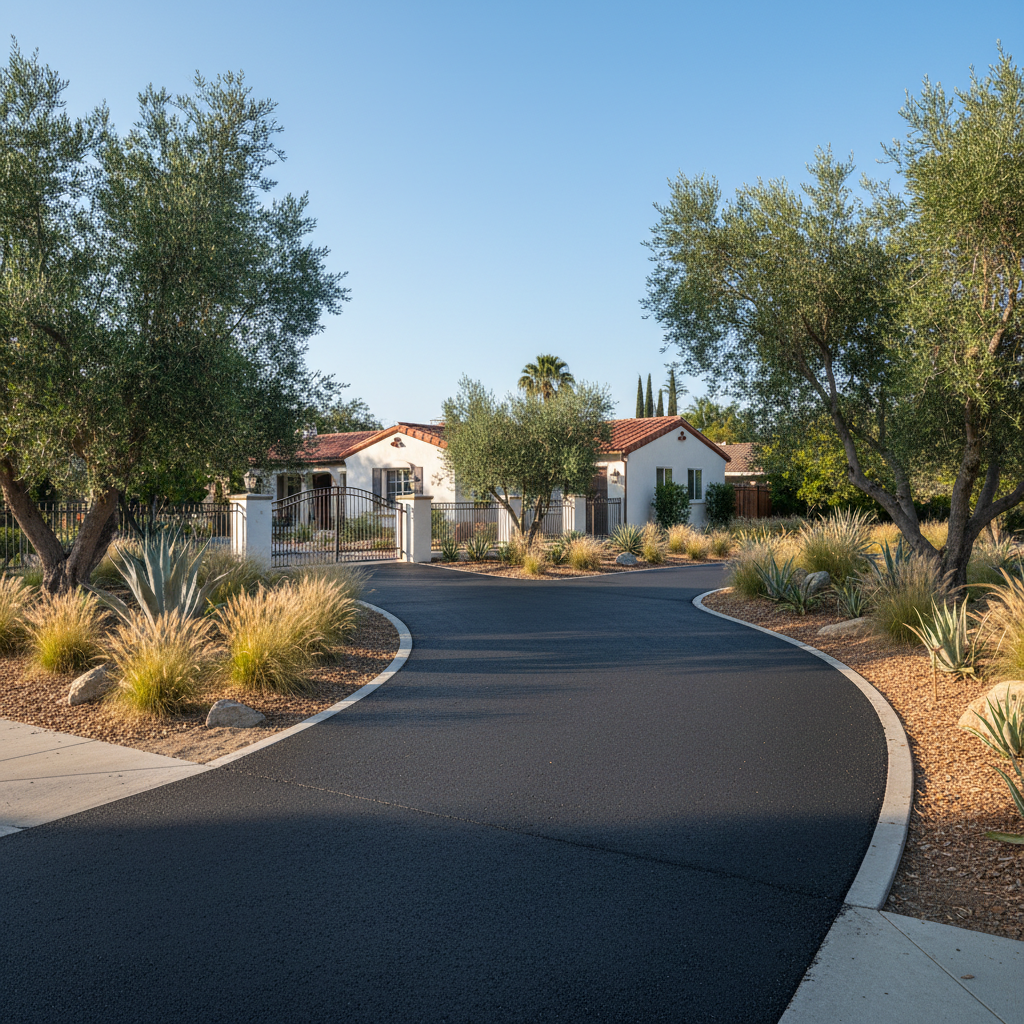
Alright, let's talk about commercial asphalt here in Los Angeles. You've got a business, you've got a parking lot or a private road, and you want it to look good and last a long time. Makes sense. But what a lot of folks don't realize is that even with our 'perfect' weather, there are optimal times for asphalt work and specific things you need to do to keep it in top shape.
When to Schedule Your Asphalt Projects
This is probably the most common question I get. Everyone thinks LA is always sunny, and yeah, mostly it is. But when it comes to asphalt, temperature and moisture are everything. You don't want it too hot, you don't want it too cold, and you definitely don't want it wet.
- Spring (March - May): This is prime time. The ground has had a chance to dry out from any winter rains, and the temperatures are consistently warm but not scorching. It's usually in that sweet spot of 60-80 degrees Fahrenheit, which is ideal for asphalt to cure properly. Scheduling in spring means your new pavement gets a good start before the brutal summer sun hits.
- Early Fall (September - November): Another excellent window. The intense summer heat starts to back off, but the ground is still warm enough for good adhesion and curing. You're also usually ahead of the main rainy season, so you minimize the risk of weather delays. If you missed spring, early fall is your next best bet.
- Summer (June - August): We can do work in the summer, but it's not always ideal, especially for larger projects. Those triple-digit days we get in the Valley or out in areas like Santa Clarita? They can make the asphalt mix too hot to work with effectively, leading to issues like premature cracking or raveling if not handled perfectly. Plus, the crew is sweating bullets, which isn't fun for anyone. We often have to start super early to beat the heat.
- Winter (December - February): This is generally the toughest time. While we don't get snow, we do get our rainy season. Rain is a no-go for paving or sealcoating. Even if it's dry, the ground temperatures can be too low for proper asphalt compaction and curing. You might see us doing repairs or smaller patch jobs, but major paving projects are usually put on hold until spring.
Weather Conditions That Impact Asphalt Work
Like I said, temperature and moisture are the big ones. For paving, you need dry conditions and temperatures generally above 50 degrees Fahrenheit, and ideally above 60. For sealcoating, it's even more critical – you need at least 50 degrees and no rain for at least 24-48 hours after application, sometimes longer depending on the product. Our morning marine layer, especially along the coast, can sometimes delay things because of the moisture it leaves behind, even if it burns off by midday.
Wind can also be a factor, especially for sealcoating. Too much wind can cause the material to dry too quickly or blow debris onto the fresh surface. We're always checking the forecast, not just for rain, but for temps and wind too.
Protecting Your Commercial Asphalt Investment Year-Round
Once you've got that fresh asphalt, you want to keep it looking good and performing well. Here's what I tell all my commercial clients:
- Regular Sweeping and Cleaning: Debris, dirt, and oil spills don't just look bad; they can break down your asphalt over time. Oil and gas are especially corrosive. Get a regular sweeping schedule going, and clean up spills immediately.
- Sealcoating Every 2-3 Years: This is your asphalt's sunscreen and raincoat. It protects against UV rays, water penetration, and oxidation. It's the single most cost-effective way to extend the life of your pavement. Don't skip it. Mighty Asphalt Solutions does a lot of sealcoating work for businesses all over LA, and we see the difference it makes.
- Address Cracks and Potholes Promptly: A small crack can quickly become a big pothole, especially with our occasional heavy rains. Water gets in, freezes (rarely here, but it can happen in higher elevations or very cold snaps), expands, and then cars drive over it, making it worse. Get cracks filled and potholes repaired as soon as you notice them. It saves you money in the long run.
- Proper Drainage: Make sure your parking lot drains properly. Standing water is the enemy of asphalt. If you've got areas where water pools, that's a problem that needs to be addressed, whether it's through regrading or installing catch basins.
- Control Heavy Loads: If you have delivery trucks or heavy equipment, try to designate specific routes or parking areas for them to minimize stress on the entire lot. Overloading specific sections can lead to premature failure.
Look, your commercial asphalt is a significant investment. Treating it right, understanding our local climate, and doing preventative maintenance will save you headaches and big repair bills down the road. If you've got questions about your specific commercial property, give us a call. We're always happy to talk shop.