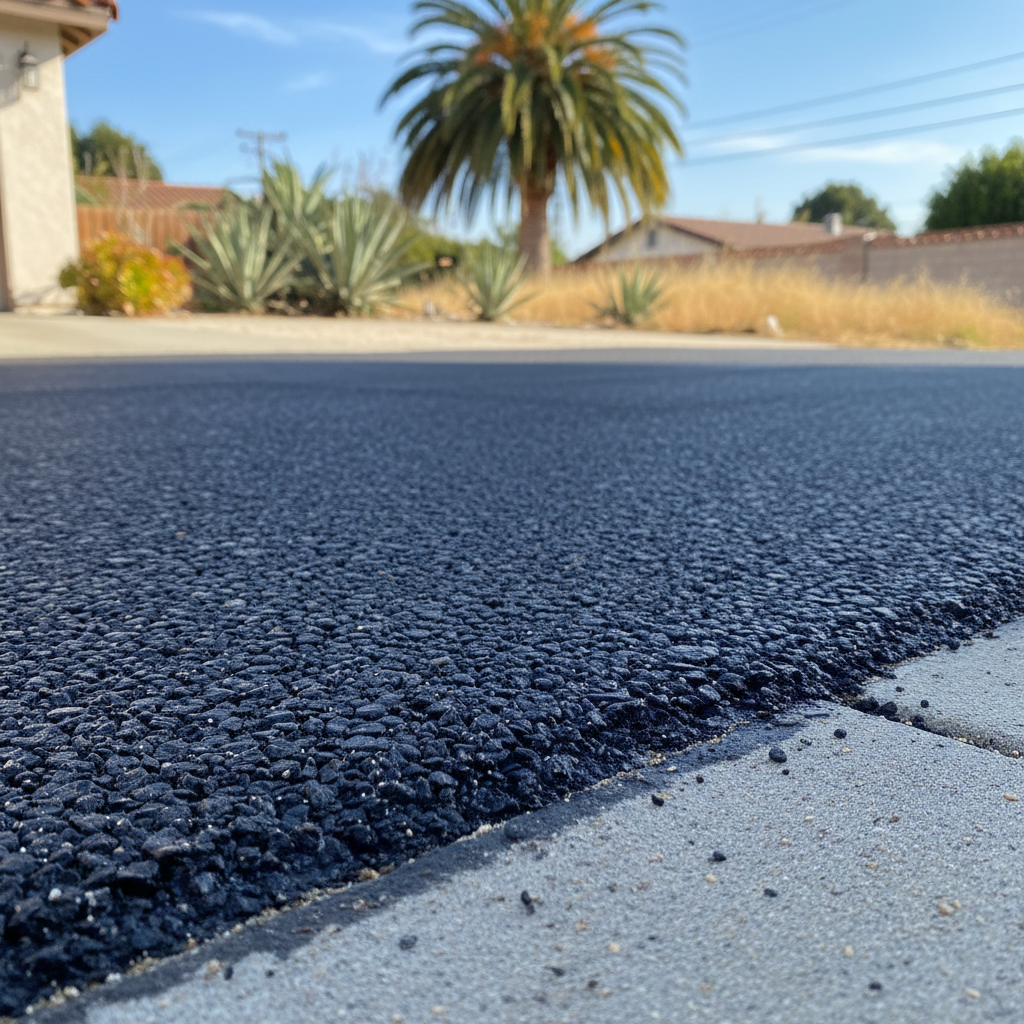
Your asphalt driveway really takes a beating, especially here in Los Angeles. With that intense summer sun baking it daily, plus the occasional heavy rains we get, those cracks and potholes aren't just ugly. No, they're actually a pretty clear sign your pavement needs some serious attention. So, how do you decide when to just grab a bag of cold patch, and when it's time to pick up the phone for a professional?
Before You Start: Assess the Damage
First things first: take a really good look at what you're up against. Not all damage is created equal, you know? I've seen plenty of folks try to patch over a problem that's way too big for a DIY fix. And what happens? It just ends up costing them a lot more in the long run.
- Small Cracks (less than 1/2 inch wide): These usually stay on the surface and are pretty easy to seal up. Think of them like fine lines on your face — annoying, sure, but not a structural issue.
- Larger Cracks (1/2 inch to 1 inch wide): You can still tackle these yourself, but you'll need a proper crack filler, not just a simple sealant. These cracks are deeper, so they need more material to fill them completely.
- Potholes (small, shallow): If it's just a small, isolated divot that isn't too deep, a cold patch product might just do the trick for a temporary fix.
- Alligator Cracking: This is when your asphalt starts looking like a crocodile's back, a whole network of interconnected cracks. Typically, this means the base layer underneath is failing. Patching here is really just a band-aid. You're looking at a bigger repair, probably needing an overlay or even a full replacement.
- Large, Deep Potholes or Sunken Areas: If you can stick your whole hand in it, or if a section of your driveway has noticeably sunk, you've got a structural problem. This is definitely not a DIY job.
If you're seeing alligator cracking or those big, deep potholes — which are especially common in older driveways in places like the Hollywood Hills where the ground can shift a bit — that's when you absolutely need to call a pro. Seriously, don't waste your time or money on a quick fix that won't hold.
DIY Patching: What You'll Need & How to Do It
Alright, so you've got some small cracks or a minor pothole. Here's the basic rundown for a decent DIY job:
- Clean It Out: This step is crucial. Get all the loose debris, dirt, and any vegetation out of the crack or pothole. Use a stiff brush, a screwdriver, or even a leaf blower. If there's standing water, let it dry completely. A clean surface is key for good adhesion.
- Prepare the Area: For cracks, you might want to slightly widen them with a chisel or a crack router to create a V-shape. This helps the filler get a better grip. For potholes, just make sure the edges are firm and not crumbling.
- Apply the Filler/Patch:
- For Cracks: Use a pourable asphalt crack filler. Just follow the product instructions. Often, you'll simply squeeze it into the crack, slightly overfilling, then smooth it with a trowel or squeegee. Some products need to cure for a bit.
- For Potholes: Use a cold patch asphalt product. Shovel it into the pothole, mounding it just a little above the surrounding pavement.
- Compact It: This is where a lot of DIYers fall short. You HAVE to compact that cold patch. Drive your car over it a few times, or use a hand tamper. The more compacted it is, the longer it'll last. I've seen people just throw it in and leave it, and it crumbles out in a few weeks.
- Seal It (Optional but Recommended): Once your patch or filler has cured, think about applying a driveway sealer over the entire area. This protects your asphalt from UV rays and water, extending its life and helping your patch blend in better.
Remember, these DIY fixes are best for minor issues. They aren't meant to last forever, but they can definitely buy you some time and keep small problems from turning into big, expensive ones.
When to Call Mighty Asphalt Solutions (or another Pro)
Look, I'm all for saving a buck where you can, but some jobs are just too big or too complex for a homeowner. You should call us, or another reputable contractor, when you see:
- Extensive Alligator Cracking: As I mentioned, this usually means a base failure. We'll need to evaluate if an overlay is possible or if we need to fully remove and replace sections.
- Large, Deep Potholes: These require hot asphalt, which isn't something you can just buy at Home Depot. We have the equipment to heat and compact it properly for a durable repair.
- Pavement Heaving or Sinking: This often points to drainage issues or an unstable sub-base. We can diagnose the root cause and fix it properly.
- Multiple Patches Failing: If you've patched the same spot a few times and it keeps failing, there's a deeper problem that needs professional attention.
- You Just Don't Have the Time or Patience: Let's be real, not everyone enjoys spending their weekend shoveling asphalt. We do this every day, and we've got the tools and expertise to get it done right and efficiently.
A professional repair, while more expensive upfront, will last significantly longer and actually solve the underlying problem. That means saving you money and headaches down the road. We've got the heavy equipment, the right materials, and the know-how to make sure your asphalt is solid for years to come. Don't hesitate to give Mighty Asphalt Solutions a call if you're unsure — a quick inspection can really save you a lot of grief.