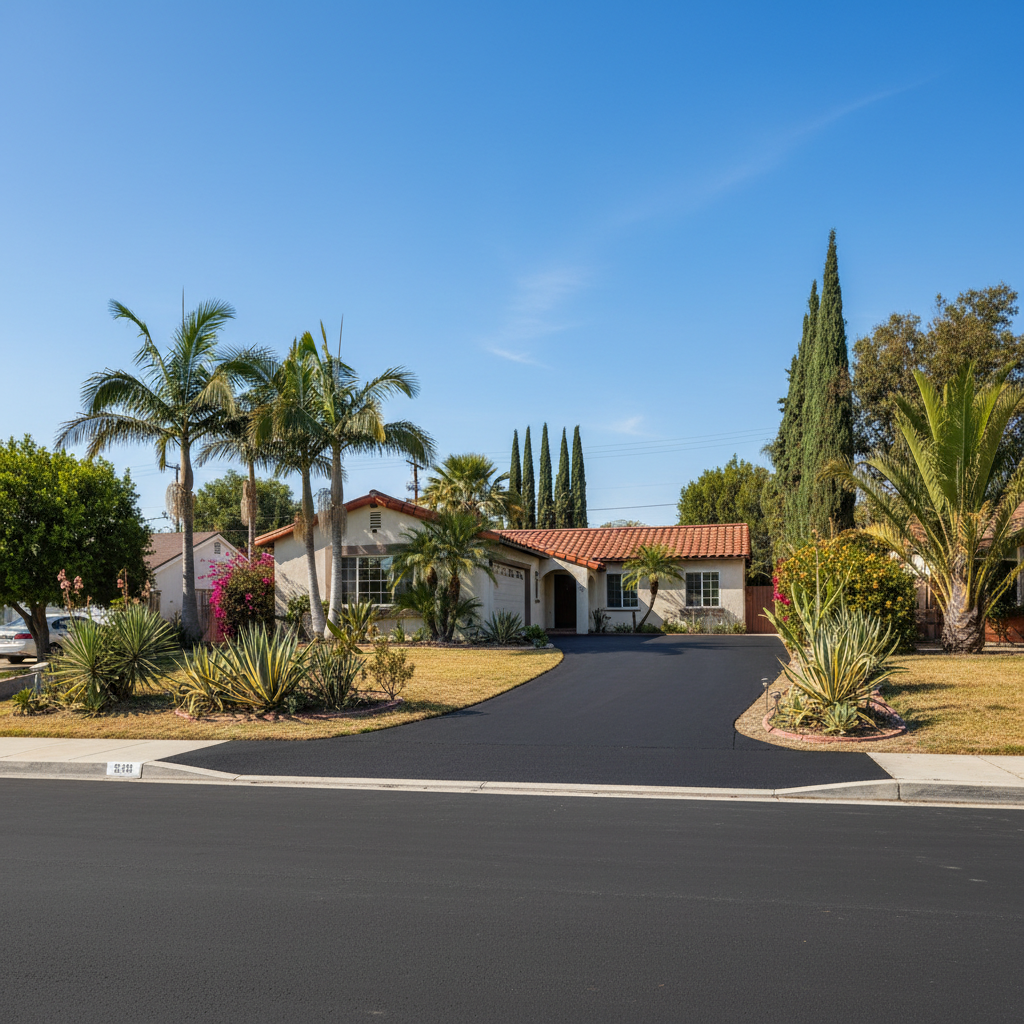
You've seen it, right? That fresh, black asphalt looking perfect one day, and then a year or two later, it's cracking, sinking, or just looking rough. It's not always about a bad job, though sometimes it is. A lot of the time, especially here in Los Angeles, it's because people don't consider what our local conditions do to pavement.
The LA Difference: Sun, Soil, and Traffic
We're not dealing with Minnesota winters here, but our climate has its own challenges. That relentless California sun? It bakes asphalt, making it expand and contract. Over time, that constant movement breaks down the binders in the asphalt, leading to cracking and fading. It’s why you see so much gray, brittle pavement around town. Then there's the soil. We've got everything from sandy loam in places like Santa Monica to expansive clays in the Valley. If you don't properly prepare the sub-base for these different soil types, you're building on shaky ground, literally. An asphalt surface needs a stable foundation, and that means understanding what's underneath.
And let's not forget the traffic. Whether it's a busy commercial lot in the Arts District or a residential street in Silver Lake, our roads get a workout. Heavy vehicles, constant turning, and stop-and-go traffic all put immense stress on pavement. A generic paving solution just won't hold up.
Common Paving Projects Around Here
I get calls for all sorts of projects, but there are a few common ones that really highlight why local expertise matters:
- Commercial Parking Lots: From retail centers in Glendale to office parks in El Segundo, these lots see heavy use. They need durable asphalt that can handle constant traffic, oil spills, and the baking sun. Proper drainage is crucial too, especially with our occasional heavy downpours that can quickly turn a flat lot into a pond.
- Apartment Complexes and HOAs: These are often older properties with existing drainage issues or foundations that have shifted over decades. You can't just pave over problems; you've got to fix them first. We're talking about everything from resurfacing main driveways to fixing pathways and speed bumps.
- Industrial Yards: Think about the heavy trucks and equipment moving around warehouses in Vernon or Carson. That kind of weight demands a much thicker, more robust asphalt mix and a meticulously prepared sub-base. Cutting corners here means failure, fast.
- Private Roads and Access Ways: Sometimes it's a long, winding private road up in the Hollywood Hills, or an access path for a business. These often have unique grading challenges and need careful planning to ensure proper water runoff and longevity.
Each of these has its own specific requirements, and if you're not familiar with the local conditions, you're just guessing.
Why Local Expertise Isn't Just a Buzzword
When you're hiring someone for an asphalt job, you're not just buying a product; you're buying their experience. Here's why that local touch makes a real difference:
- Understanding Soil Conditions: As I mentioned, LA's soil varies wildly. A contractor who's worked all over the county knows what to expect and how to prepare the ground properly, whether it's compacting sandy soil or stabilizing expansive clay. They'll know if you need specific aggregate bases or soil treatments.
- Climate-Specific Material Choices: We use asphalt mixes designed to withstand our intense UV exposure and temperature fluctuations. There are different grades and additives that perform better in our climate, and an experienced local contractor knows which ones to recommend.
- Navigating Local Regulations: Permitting, ADA compliance, and environmental regulations can be a headache. A local company like Mighty Asphalt Solutions has been through it all before. We know the city's requirements and can help ensure your project meets all the necessary codes without unexpected delays.
- Drainage Solutions for Our Rain Patterns: Our rain often comes in short, intense bursts. If your paving doesn't have proper grading and drainage, you'll end up with standing water, which quickly deteriorates asphalt and can cause structural damage to nearby buildings.
- Long-Term Relationships and Accountability: A local contractor has a reputation to uphold in the community. We're not just passing through; we live and work here. That means we're invested in doing a good job and standing behind our work. If there's an issue down the line, you know where to find us.
Don't just pick the cheapest bid without asking about their local experience. Ask them about their approach to our specific climate and soil. Ask for references from projects in your area. It'll save you a lot of headaches and money in the long run.