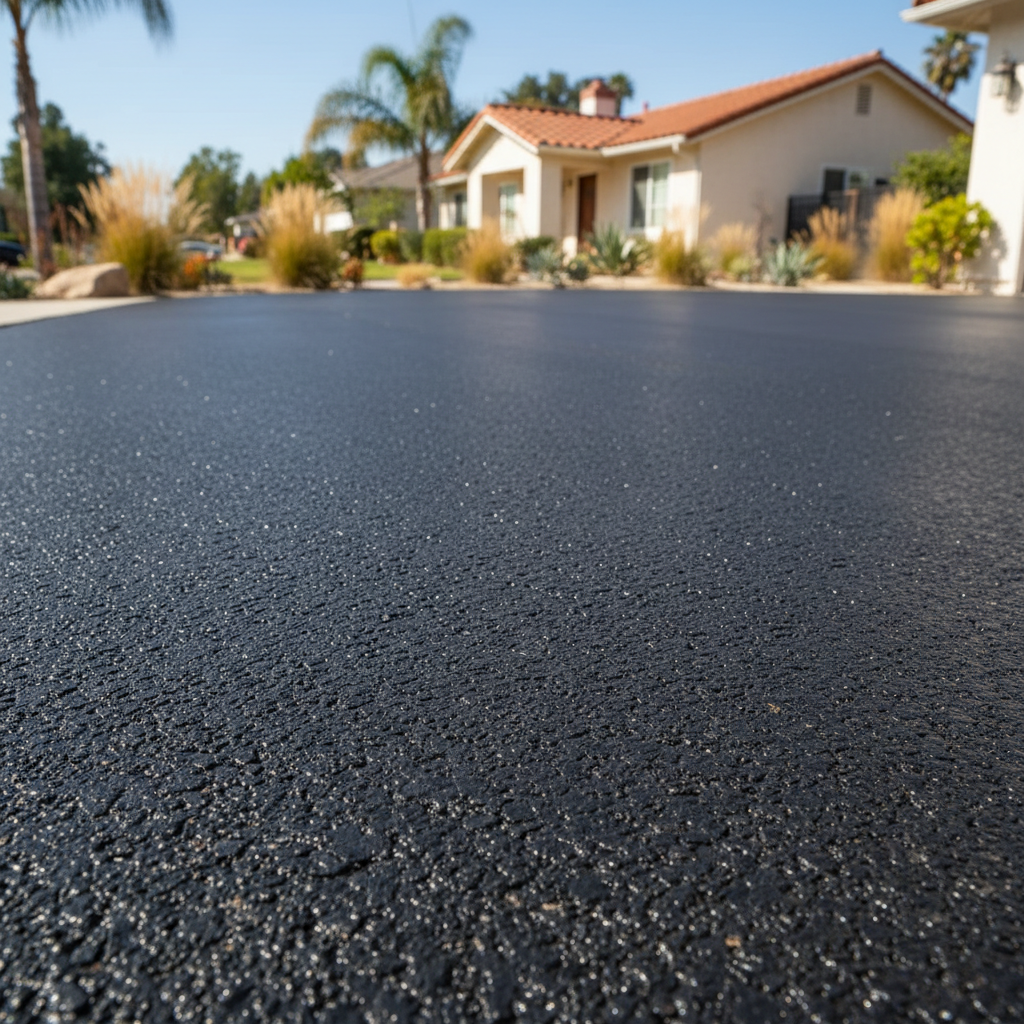
How long does a new asphalt driveway usually last in Los Angeles?
You're probably looking at a good 15 to 20 years, maybe even 25, if it's installed right and you keep up with the maintenance. That's for a solid asphalt job, mind you. Concrete can go longer, sometimes 30-40 years, but it's a different animal entirely. Here in LA, the sun is a huge factor. Constant UV exposure and those hot summer days really dry out the asphalt binders over time, making it brittle. That's why sealcoating is so important – it's like sunscreen for your driveway. Without it, you'll see it breaking down a lot faster, perhaps even in 10-12 years. Regular cleaning, keeping heavy vehicles off it, and fixing small issues quickly also play a big role in getting that maximum lifespan.
What's the deal with cracks? Should I worry about every little one?
Look, cracks are pretty much inevitable with any paved surface over time, especially with the ground movement we sometimes get around here. Small, hairline cracks? Don't panic. Those are usually just surface-level and happen as the material expands and contracts with temperature changes. You want to keep an eye on them, but they're not an emergency. The ones you really need to worry about are alligator cracking – that's when it looks like a reptile's skin, a network of interconnected cracks. That means the base layer is failing, and water is getting underneath, which can cause serious damage. Potholes are another red flag, obviously. If you see those, get 'em fixed. Water is the enemy of your sub-base, and once it gets in, it just makes things worse. We've seen plenty of driveways in hillside communities like Silver Lake or the Hollywood Hills where water intrusion from unaddressed cracks has led to significant erosion underneath, making repairs much more complex and costly.
Asphalt vs. Concrete: Which is better for an LA home?
This is a classic question, and honestly, there's no single "better" answer; it really depends on what you're looking for. Asphalt is generally more affordable upfront. It's also more flexible, which can be an advantage with our occasional seismic activity – it's less likely to crack severely compared to concrete. Repairs are usually easier and less noticeable with asphalt too; you can patch it pretty seamlessly. On the flip side, asphalt needs more regular maintenance, like sealcoating every few years, to protect it from the sun and keep it looking good. Concrete costs more initially, but it's incredibly durable and requires less frequent maintenance. It's also cooler underfoot, which can be nice on a scorching August day. But if concrete cracks, repairs are often more visible and can be a bigger headache. For a lot of folks, the aesthetic plays a part too. Concrete offers more options for stamping, coloring, and decorative finishes, which can really boost curb appeal if you're going for a specific look. We do a lot of both at Mighty Asphalt Solutions, so we're happy to talk through the pros and cons for your specific situation.
How often should I sealcoat my asphalt driveway?
For most residential driveways in Los Angeles, I tell people every two to three years is a good rule of thumb. Some folks push it to four, but I wouldn't go much longer than that, especially with our intense sun. Sealcoating isn't just about making your driveway look shiny and new, though it does that. Its main job is to protect the asphalt from UV rays, water penetration, and oil/gas spills. It replenishes the binders that get dried out by the sun, keeping the asphalt flexible and preventing it from becoming brittle and cracking. Think of it as preventative medicine for your driveway. Skipping it is like skipping oil changes for your car – you might save a few bucks now, but you'll pay a lot more down the road for bigger repairs or even replacement.
Can I really DIY driveway repairs, or should I call a pro?
For very minor, superficial cracks or small potholes – and I mean *small* – you might be able to get away with a DIY patch kit from the hardware store. But honestly, for anything more than that, you're better off calling in a professional. Driveway repair isn't just about slapping some asphalt patch down. It involves understanding the underlying issues, proper cleaning, preparing the surface, and using the right materials and techniques to ensure the repair lasts and blends in. A poorly done DIY repair can actually make the problem worse, create an uneven surface, and lead to more extensive damage down the line. Plus, you'll probably end up spending more money fixing the botched DIY job than if you'd just called us in the first place. We've seen it countless times.
What's the preparation process for a new driveway installation?
This is where the real work happens, and it's probably the most critical part of getting a long-lasting driveway. First, we've got to clear the old stuff out, if there's an existing driveway. Then comes the grading and excavation to ensure proper drainage. You don't want water pooling on your driveway or running towards your house foundation. We'll establish the right slope for water runoff. After that, it's all about the base. We lay down and compact a solid layer of aggregate, usually crushed rock or gravel. This base provides stability and distributes the weight from vehicles evenly. The thickness of this base is crucial and depends on the expected traffic. Without a properly prepared and compacted base, your new driveway won't last, no matter how good the top layer of asphalt or concrete is. It'll crack, sink, and fail prematurely. It's the foundation, and you wouldn't build a house on a shaky foundation, right?
How long until I can drive on my new asphalt driveway?
Patience is key here! For a brand-new asphalt driveway, you'll typically need to wait about 2 to 3 days before driving a regular passenger car on it. If you're talking about heavier vehicles, like an RV or a moving truck, you'll want to extend that to at least 5 to 7 days, maybe even longer if it's been particularly hot. Asphalt cures from the top down, and while the surface might feel firm quickly, the deeper layers need time to harden completely. Driving on it too soon can create ruts, tire marks, or even cracks, especially when the weather is warm and the asphalt is softer. It's a small inconvenience for a long-lasting, smooth surface. After sealcoating, it's usually 24-48 hours before you can drive on it, depending on the product and weather conditions.