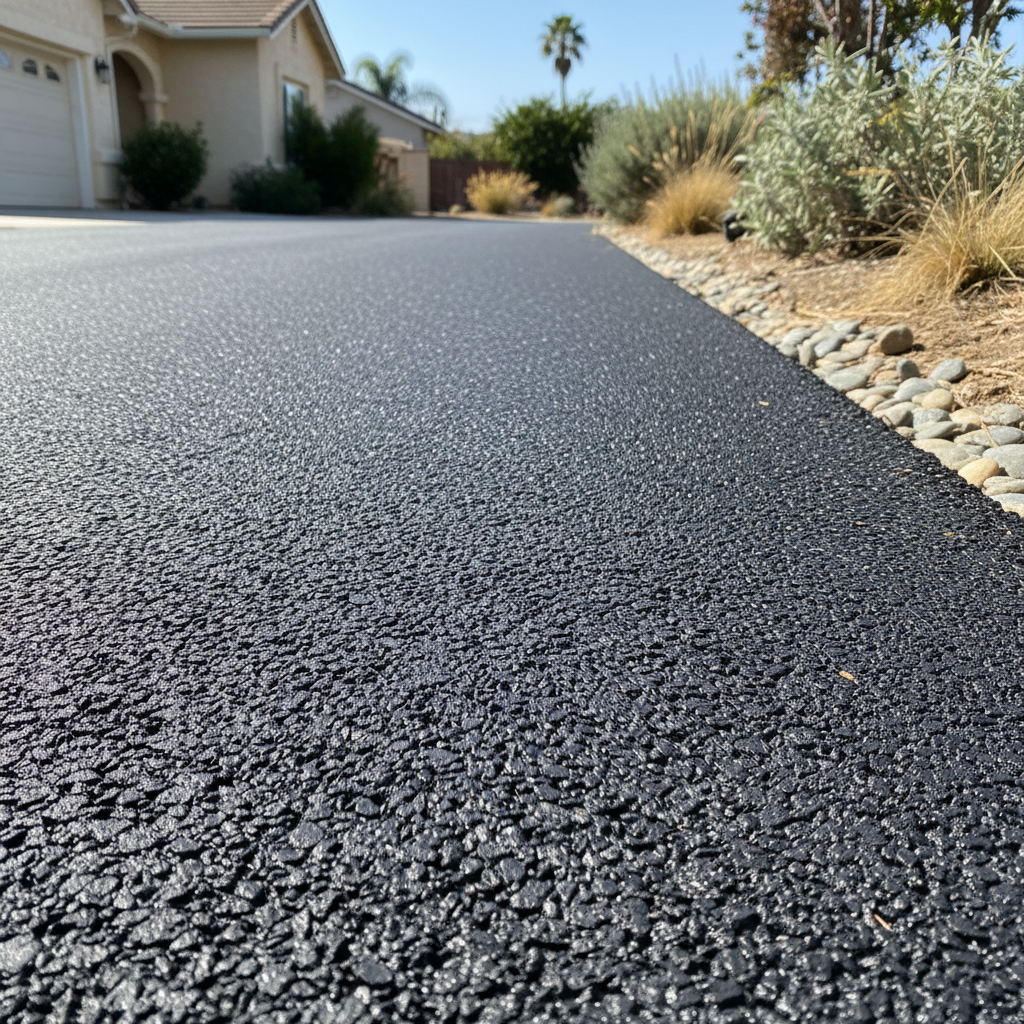
Your driveway takes damage under the sun in Southern California, and eventually, patching will not fix the problem. Whether you need a full replacement or a major resurfacing job around your Silver Lake home, an asphalt project requires knowing what you can handle yourself and what requires heavy equipment. We will walk through how to prepare, what happens while the crew is on site, and how to protect the work once the rollers leave.
Before the Work Starts: Preparation and DIY Prep
You can save some money by doing the initial legwork before any contractor shows up. Start by clearing out every car, basketball hoop, and potted plant from the work zone. If you have oil stains that have been sitting there for years, grab a heavy-duty degreaser and scrub them down now because asphalt will not bond over grease.
You also need to check your local permits with the city if you are touching the curb or apron connecting to the public street. Do not skip this. Los Angeles Department of Transportation rules can be tricky, and getting fined halfway through a project is a major problem. Measure your square footage too so you actually understand the quotes you are getting from local paving companies.
During the Project: What Happens on Paving Day
The trucks roll in early, usually around dawn to beat the heat. This is where you step back and let the pros do their work. Asphalt cooling and compacting is a precise science that requires heavy steam rollers, specialized lutes, and exact temperature control.
Here is what the crew handles:
- Grinding down edges so the new mat meets your garage slab and street cleanly.
- Laying down a fresh tack coat so the new asphalt actually sticks to the sub-base.
- Rolling and compacting the hot mix until it meets the proper density specs.
Stick around to answer questions, but stay off the heavy equipment. A proper sub-base prep and hot mix install takes muscle, experience, and gear you probably do not have in your garage.
After the Paving: Curing and Long-Term Care
Once the crew from Mighty Asphalt Solutions rolls away, your job is not quite finished. Fresh asphalt needs time to cure completely. Keep foot traffic off it for the first 24 hours, and keep your cars parked on the street for 3 to 5 days depending on how hot it is outside. Asphalt stays soft in high temperatures, and power steering turns on fresh hot mat will gouge it right up.
After about six months, once the oils have fully flashed off and the surface has cured, get a good coal tar or asphalt emulsion sealer on there. Do this every couple of years, and you will keep that rich black look while keeping out water and oxidation. A little basic upkeep goes a long way toward making your driveway last for 15 to 20 years or more.